Generative art refers to creating art in part or whole using computer programs. As opposed to traditional methods, generative artists rely on computer programmes and other digital tools to create their work.
Computers aren’t the only medium used in creating generative art designs. Biological systems, chemical reactions, robotics, and other branches of engineering and science are also sources of inspiration for certain artists.
It is influenced by geometric patterns and draws inspiration from modern, contemporary, and pop art. In simple terms, it is just an alternative way for artists to express themselves through machines.
NFT generative art has overtaken the traditional art market in its ability to draw attention and captivate a global audience. Generative art prints are in high demand right now. Collectors can purchase generative art and make prints of the works with full commercial rights.
1. Ringers by Dmitri Cherniak
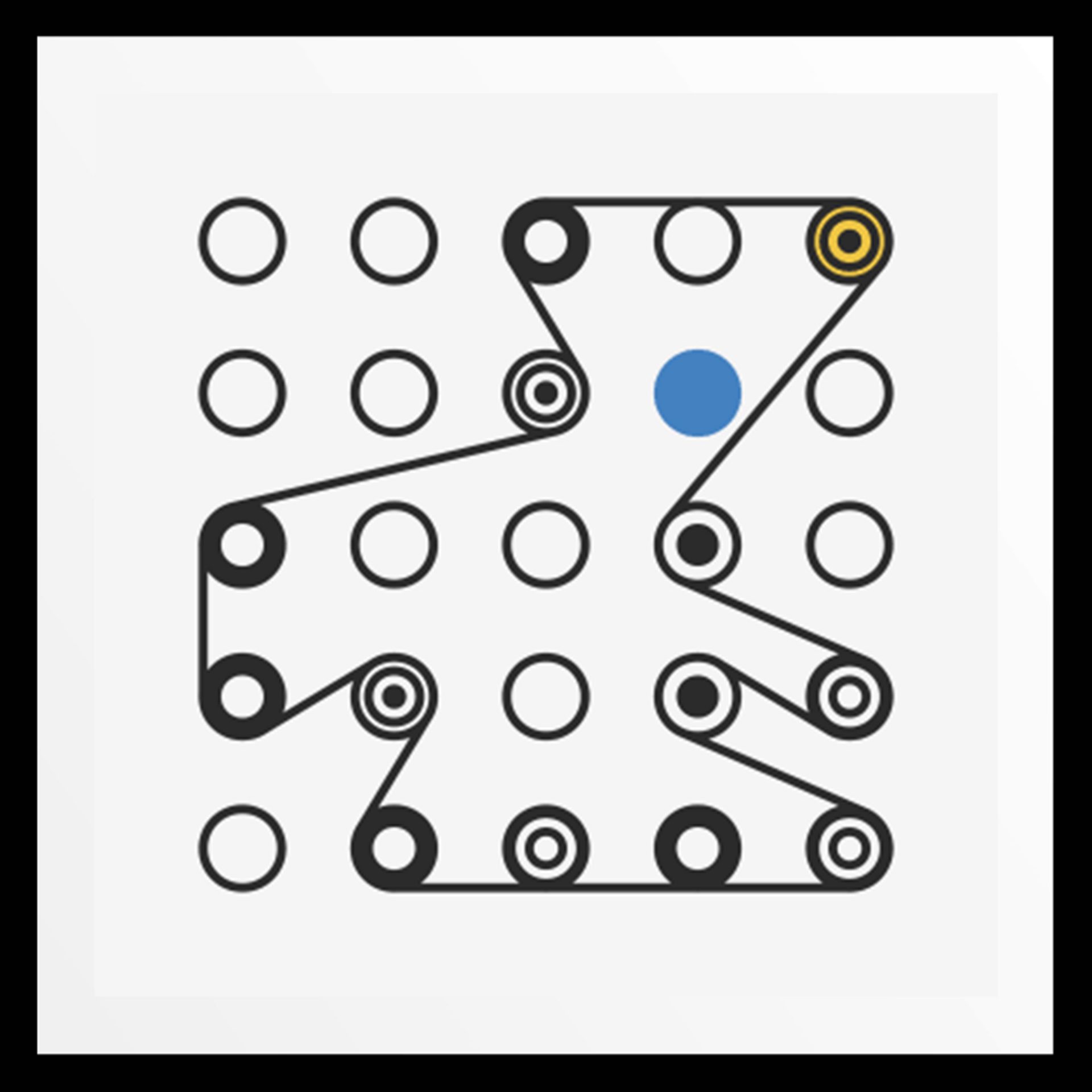
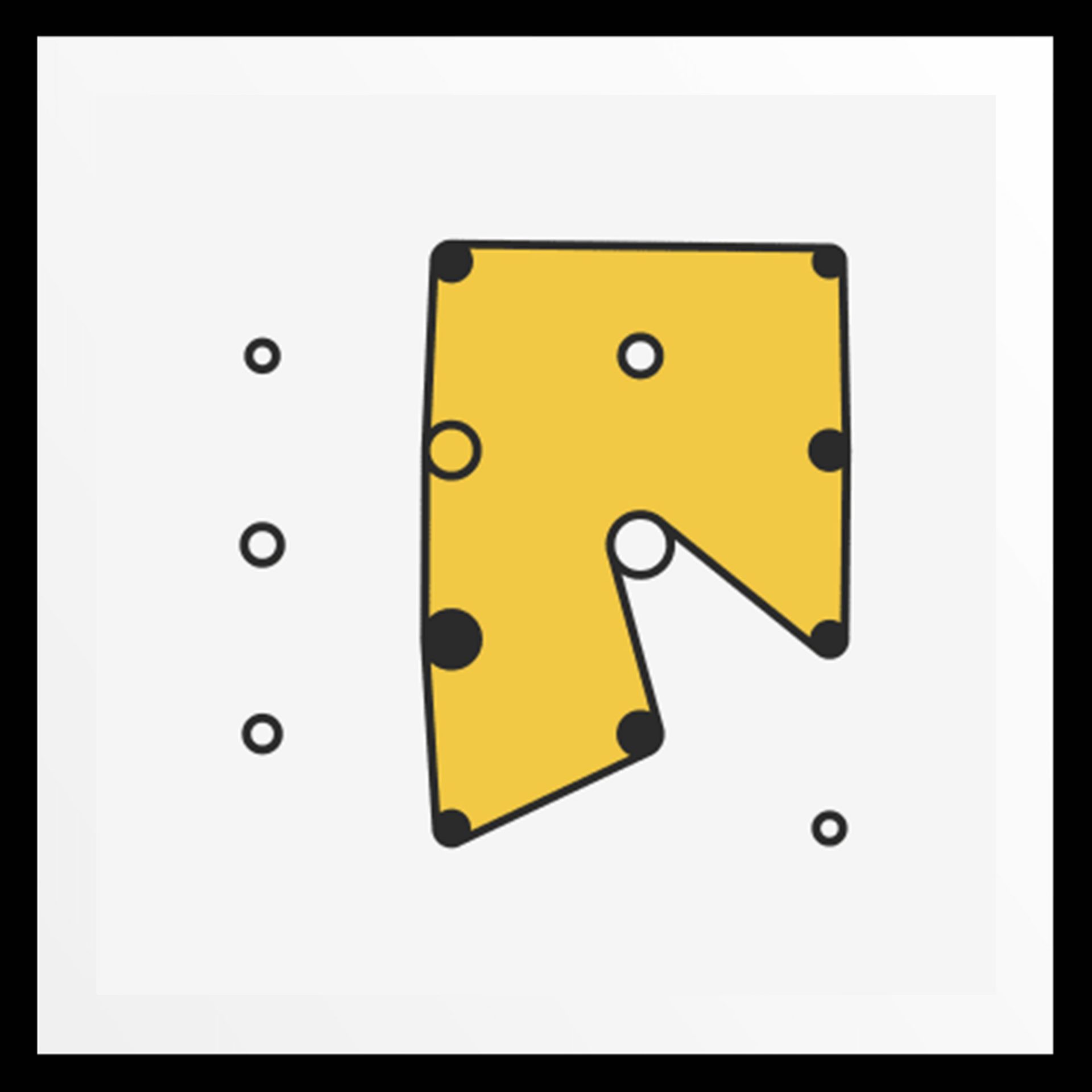
Each ‘Ringers’ output is obtained from a unique transaction hash generated in the browser using Javascript. Peg count, sizing, layout, wrap orientation, and a few colourful flourishes are important feature variants of this generative digital art.

License: CC BY-NC 4.0
The programming language used: p5js
OpenSea: https://opensea.io/collection/ringers-by-dmitri-cherniak
Website: https://www.artblocks.io/project/13
Instagram: https://www.instagram.com/dmitricherniak/?hl=en
Twitter: https://twitter.com/dmitricherniak
2. Fidenza by Tyler Hobbs
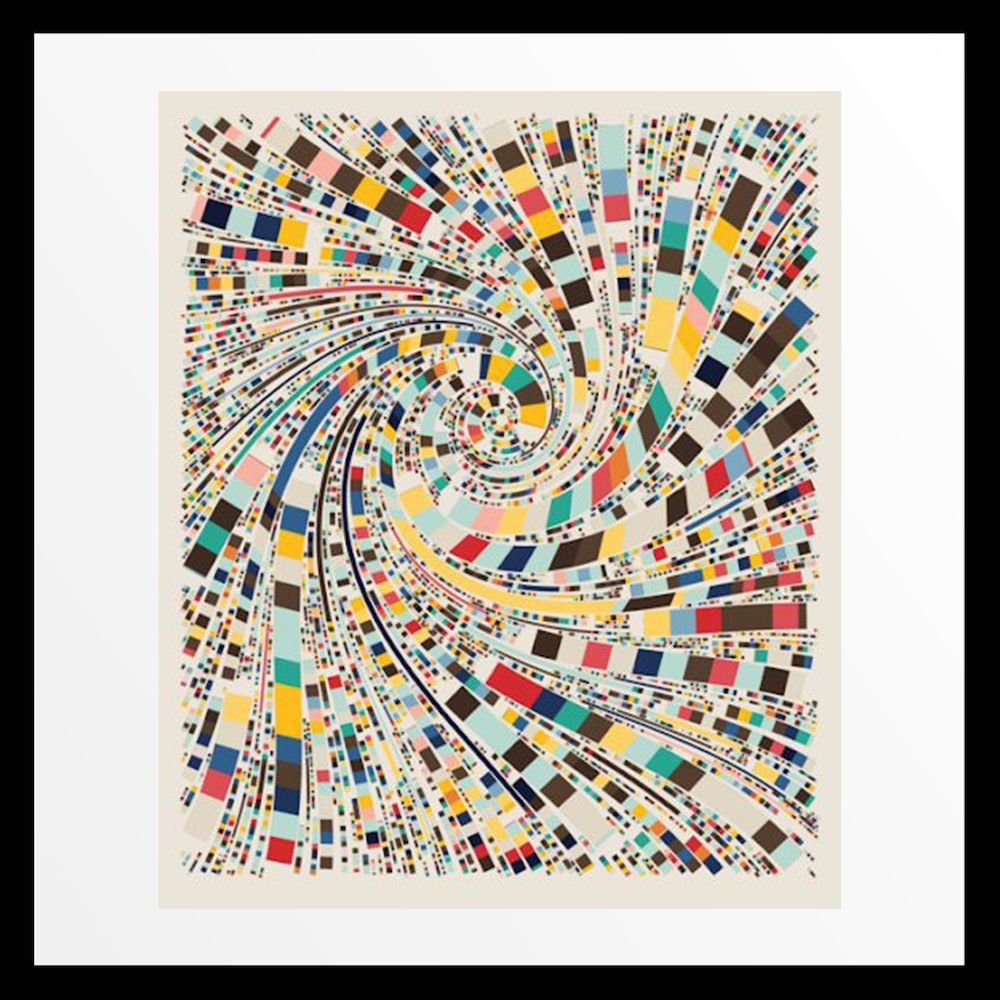
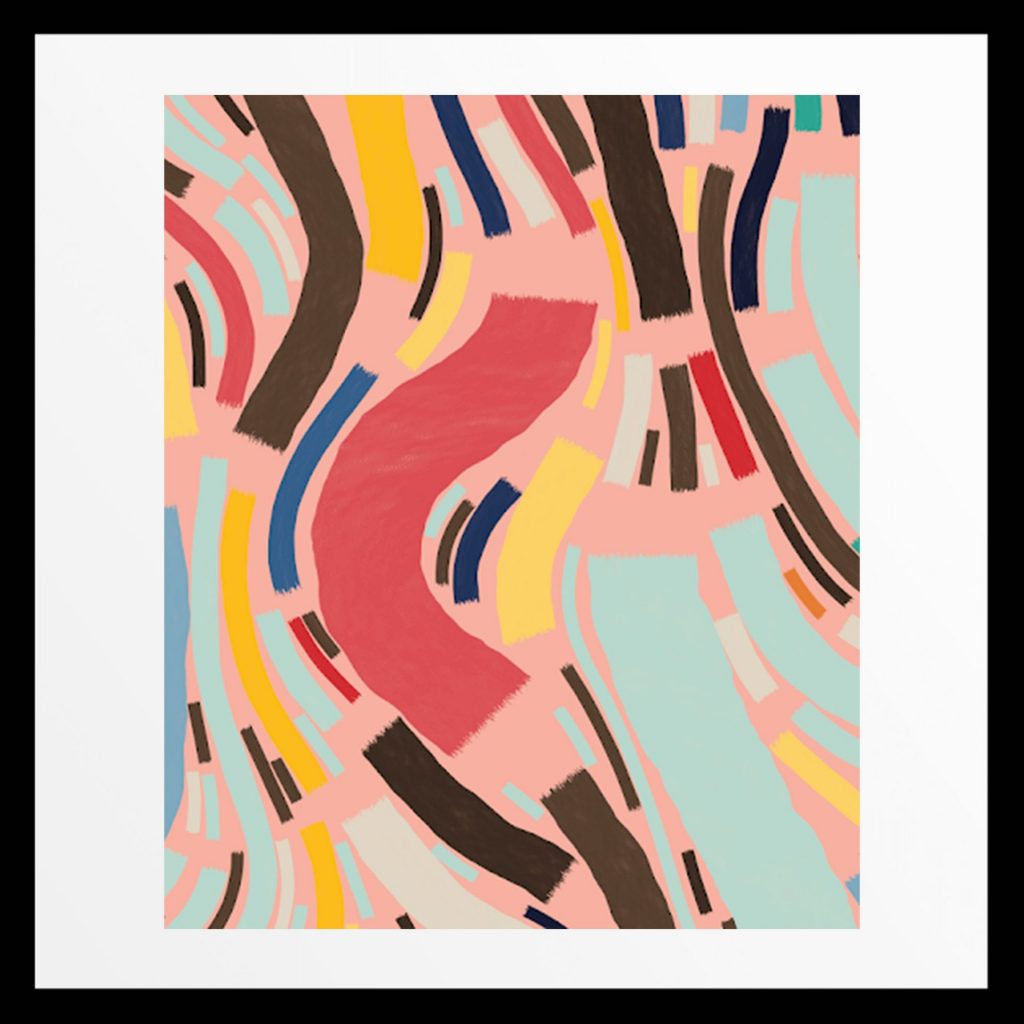
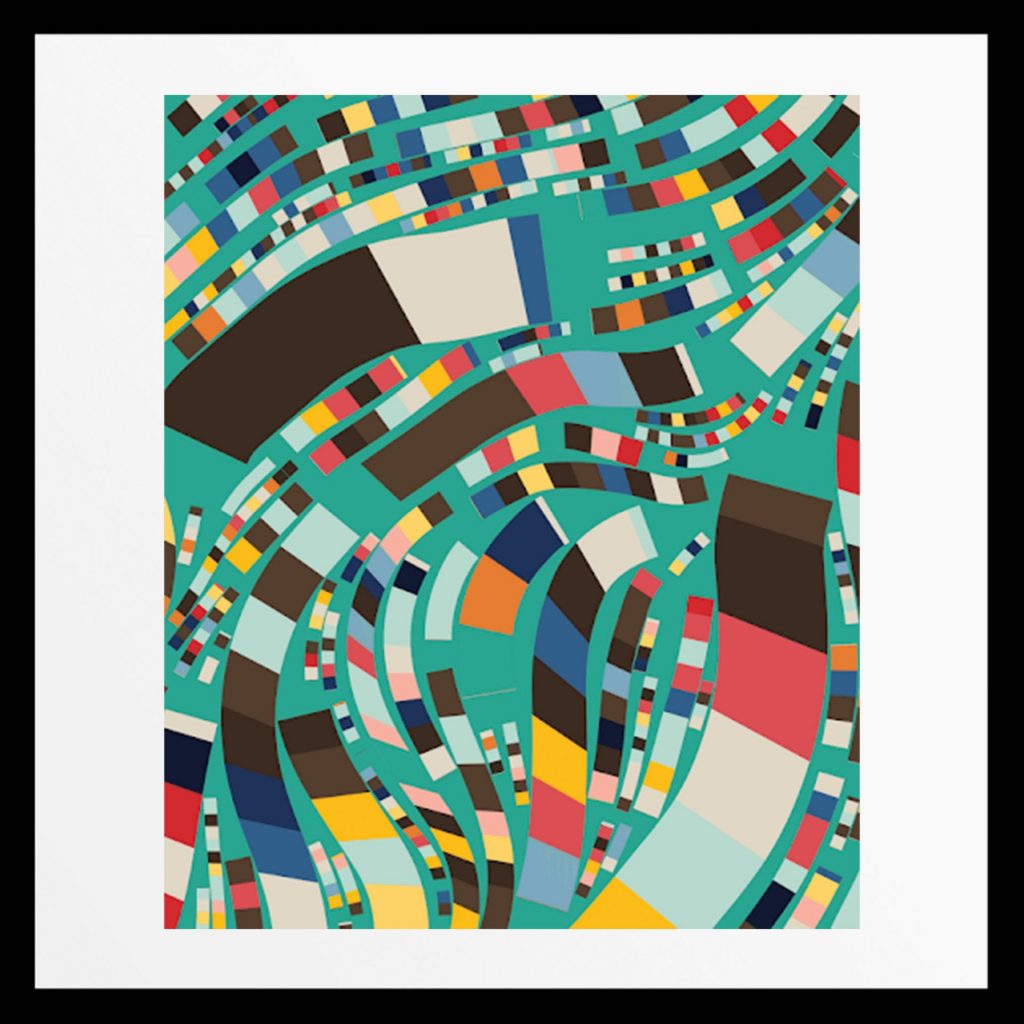
Fidenza is my most versatile generative algorithm to date. Despite its simplicity, the algorithm’s underlying structures are extremely adaptable, resulting in consistently surprising outcomes.
License: CC BY-NC 4.0
The programming language used: p5js
OpenSea: https://opensea.io/collection/fidenza-by-tyler-hobbs
Website: https://tylerxhobbs.com/fidenza
Discord: https://discord.gg/D5QUQMncA7
Instagram: @tylerxhobbs
Twitter: @tylerxhobbs
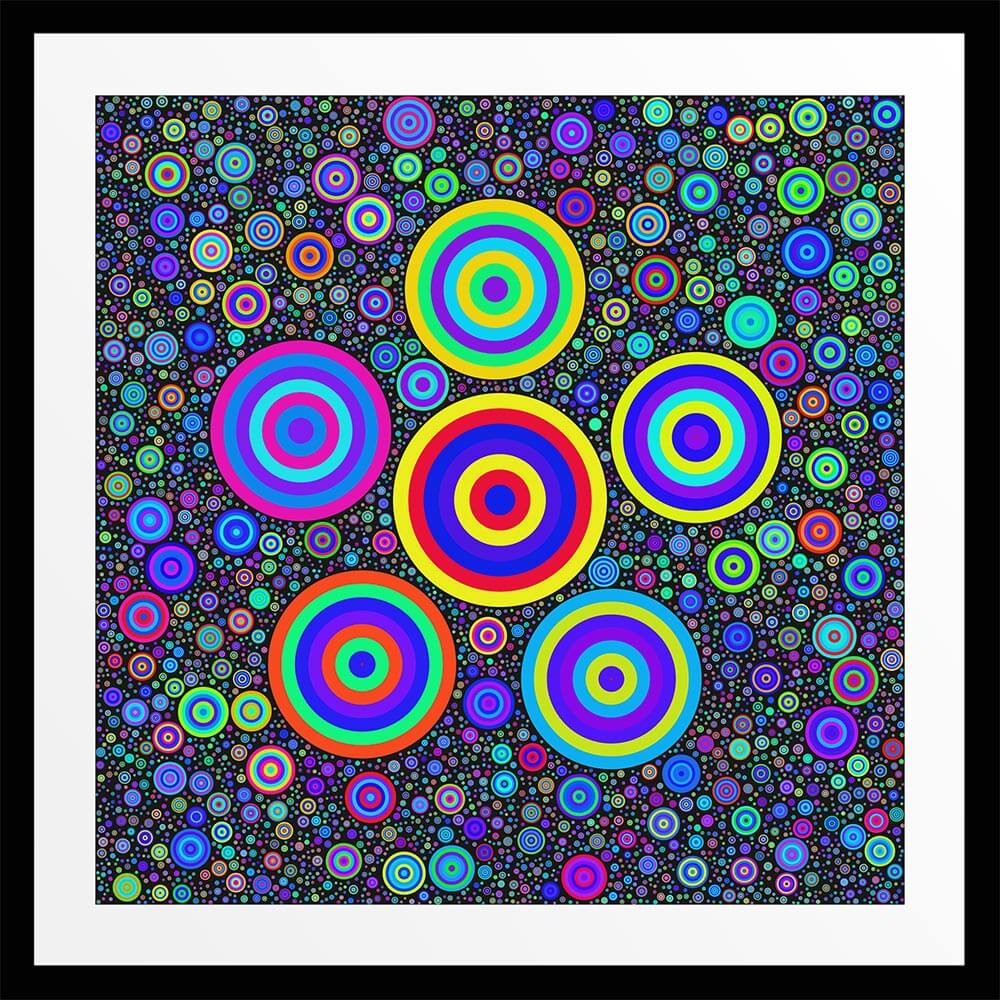
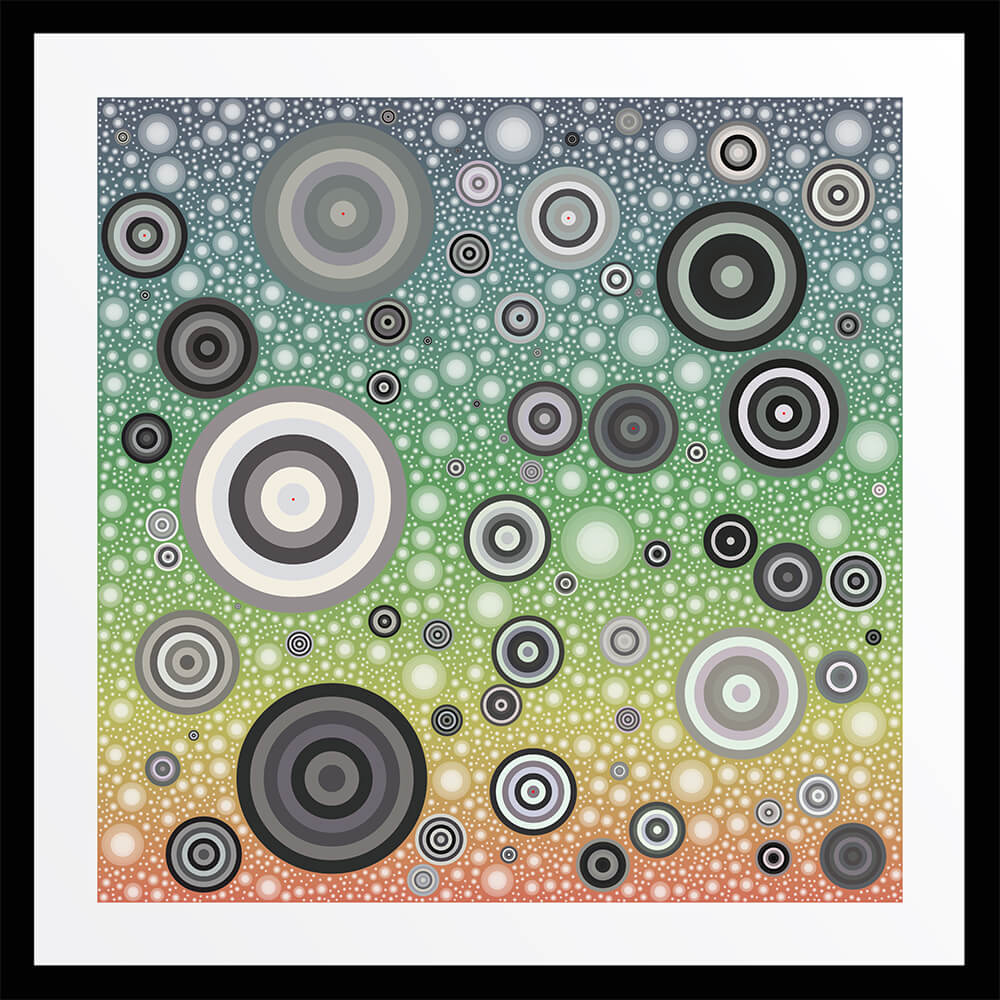
3. Bulat-Bulat by Alvin Koay
ArtJam is an NFT generative art collaboration between a real-world artist and his programmer son.
“Bulat” means circles or round shapes in the local Malaysian language.
The idea for the collection came from figuring out how many circles might fit in a particular area without touching or even overlapping.
It comes from the branch of mathematics called “circle packing”, where circles of arbitrary sizes are packed together at various densities. This geometric generative art collection presents 24 magnificent themes, each having a unique story behind it.

License: NFT License
The programming language used: Processing & p5js
OpenSea: https://opensea.io/collection/bulat-bulat-2
Website: https://artjam.com/
Discord: https://discord.gg/GZRBnkCZsN
Instagram: https://www.instagram.com/artjam_com/
Twitter: https://twitter.com/artjam_com
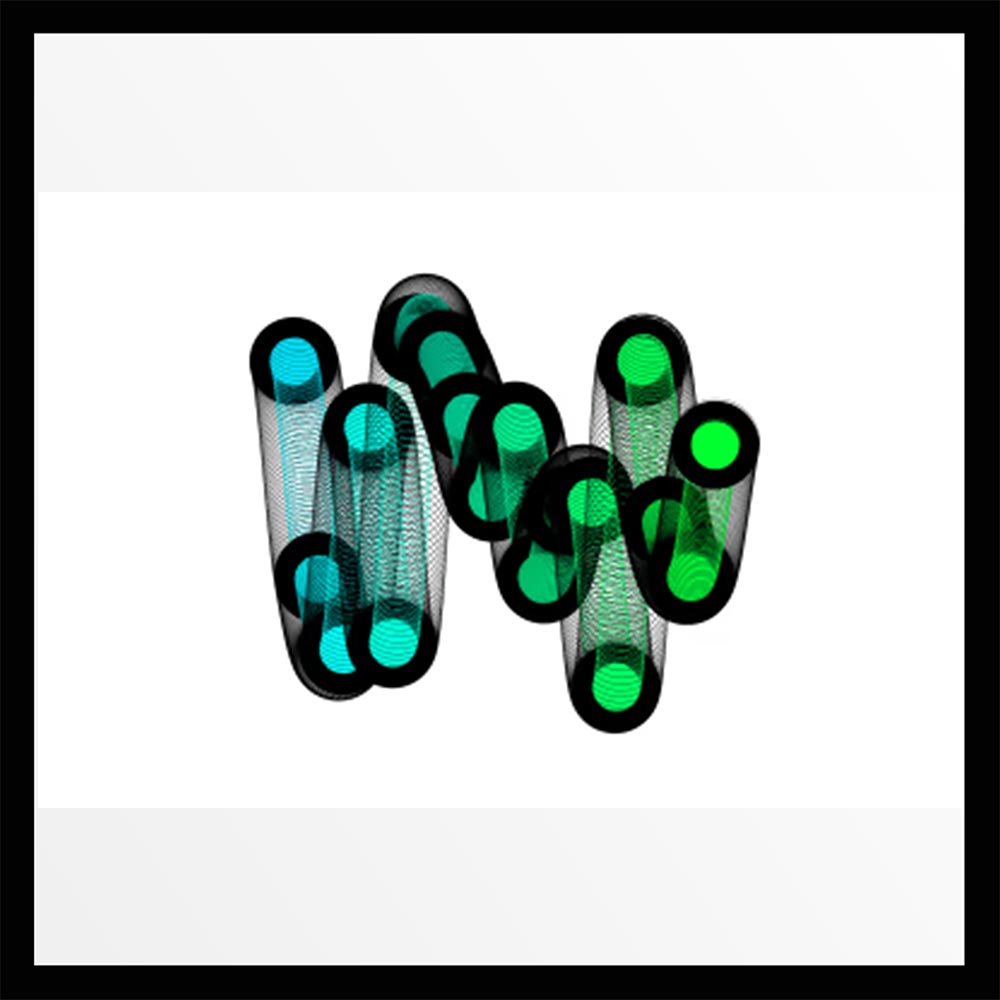
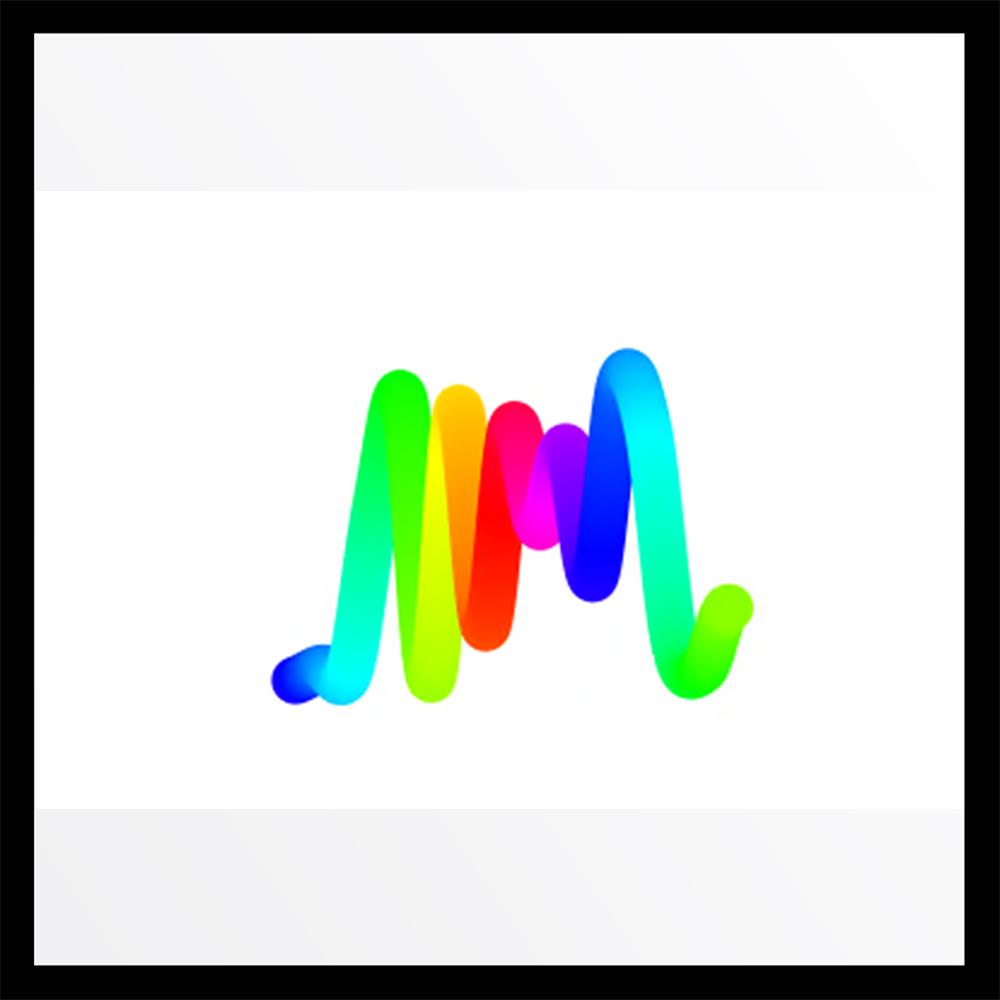
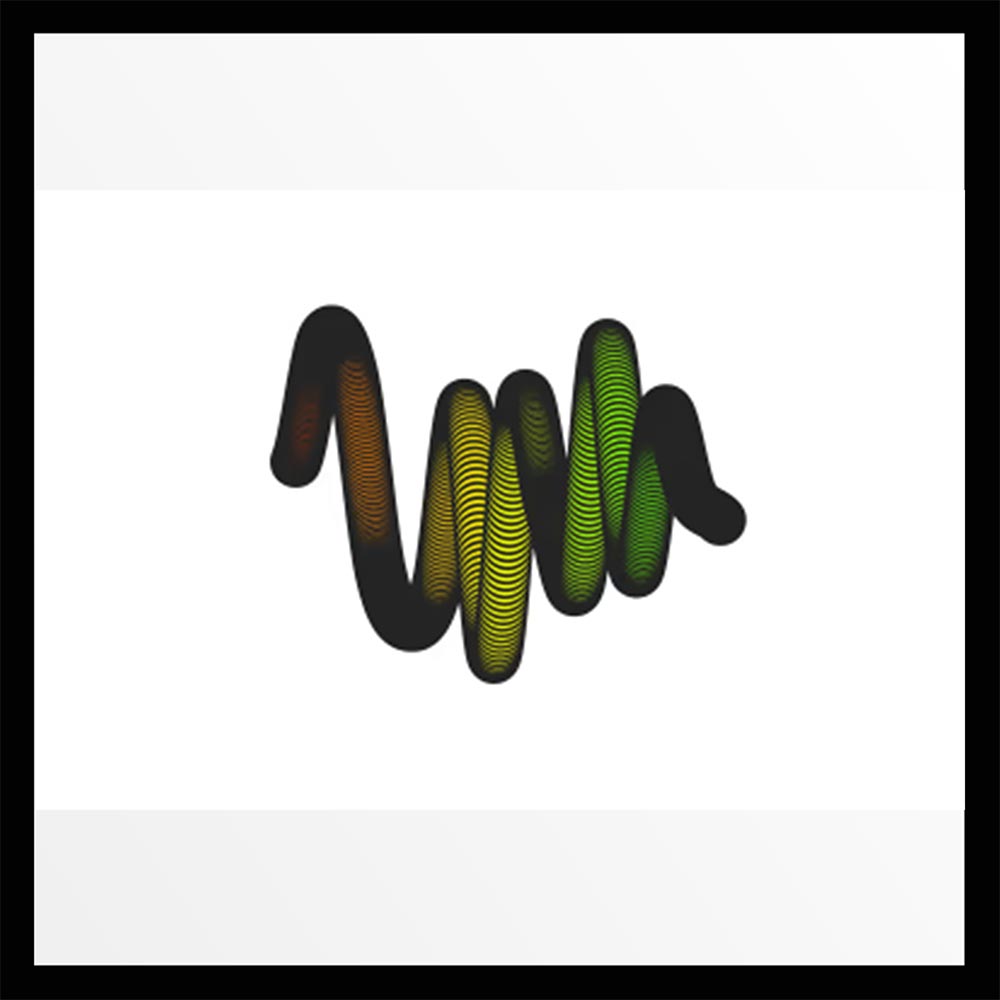
4. Chromie Squiggle by Snowfro
Each squiggle captures the spirit of the Art Blocks platform in its simplicity and clarity. Consider each of them as a personal signature from the artist, developer, and tinkerer.
License: NFT License
The programming language used: p5js
OpenSea: https://opensea.io/collection/chromie-squiggle-by-snowfro
Website: https://www.artblocks.io/project/0
Twitter: https://www.twitter.com/artonblockchain
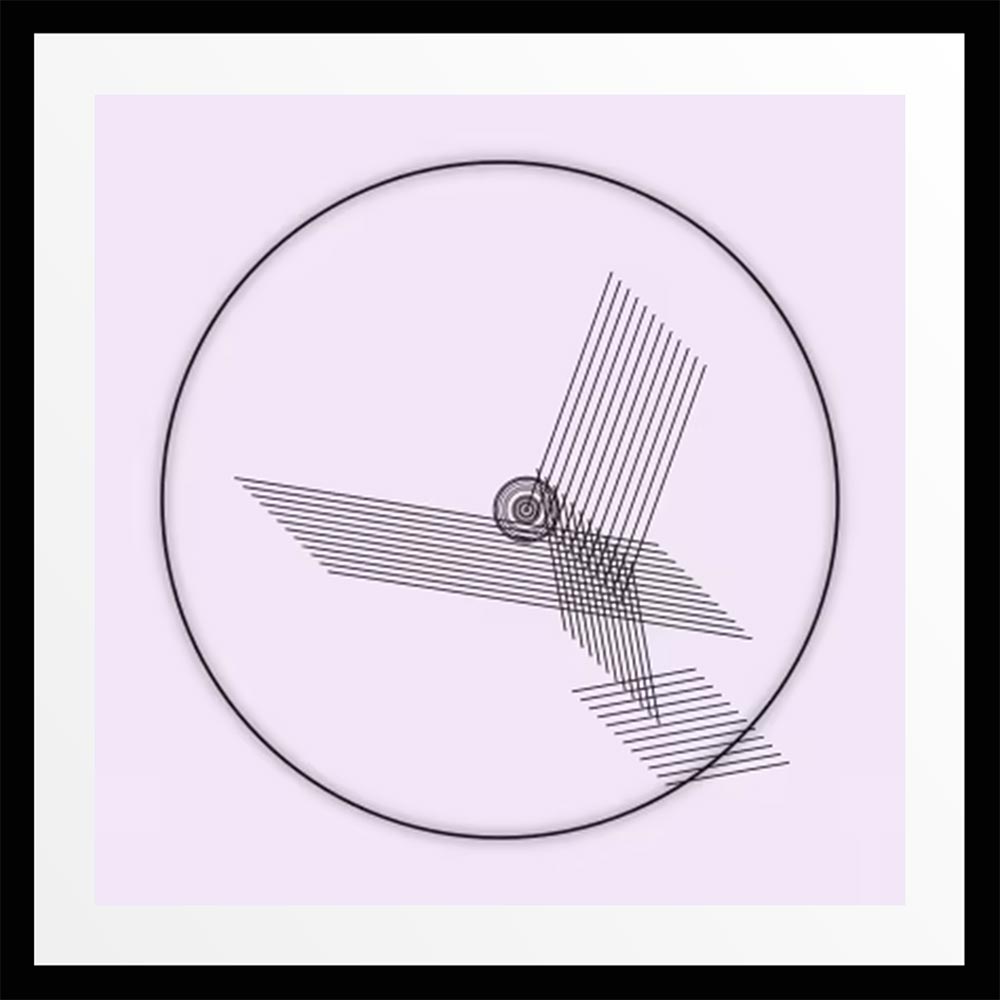
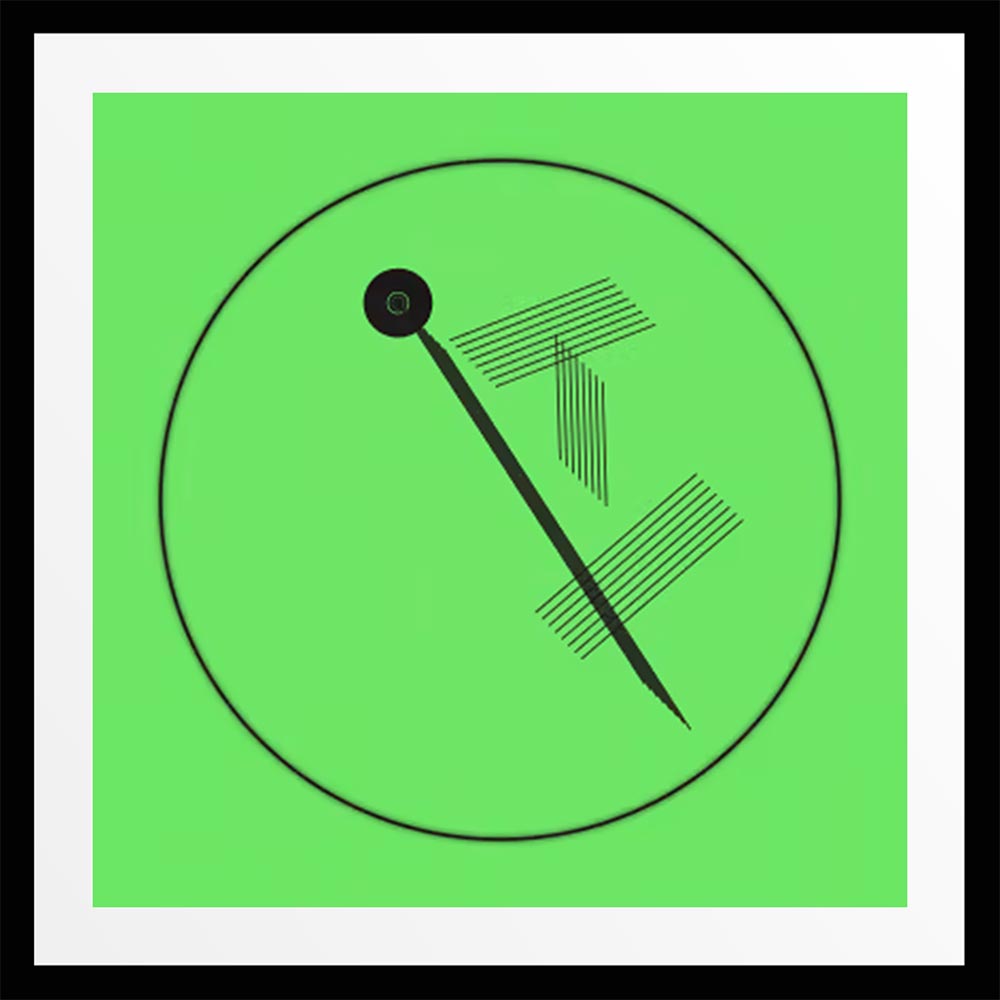
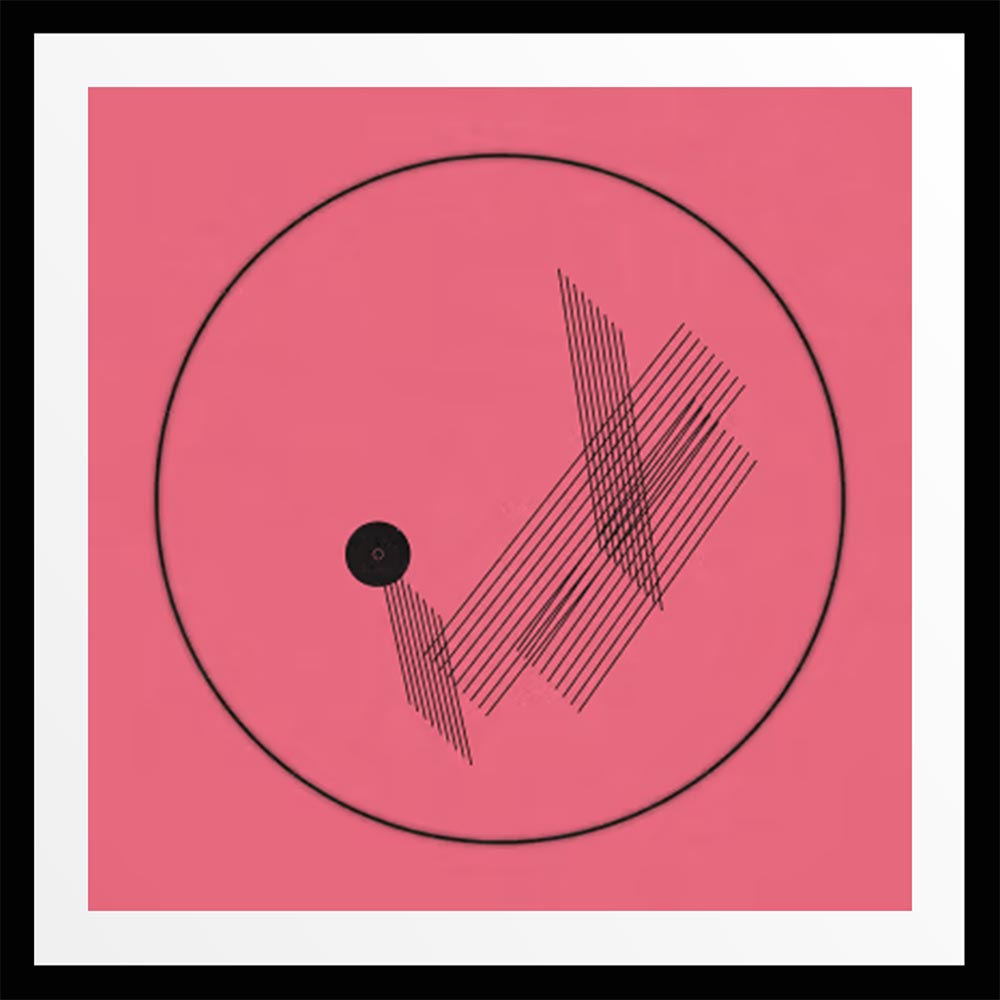
5. Elevated Deconstructions by luxpris
A unique hash string seeded within each token informs the composition of the work. Variables include the background colour, the number of times each element is repeated, the distance between each repetition, and the coordinates of each element.
License: CC BY-NC 4.0The programming language used: p5js
OpenSea: https://opensea.io/collection/elevated-deconstructions-by-luxpris
Website: https://superrare.com/luxpris
Instagram: https://www.instagram.com/luxpris/
Twitter: https://twitter.com/luxpris
6. Subscapes by Matt DesLauriers
This is a generative algorithm that draws the impression of a landscape from a multitude of possibilities. The seed from each token drives the parametric assortment of lines, colours, and forms into a constructed composition to create a unique generative art illustration.
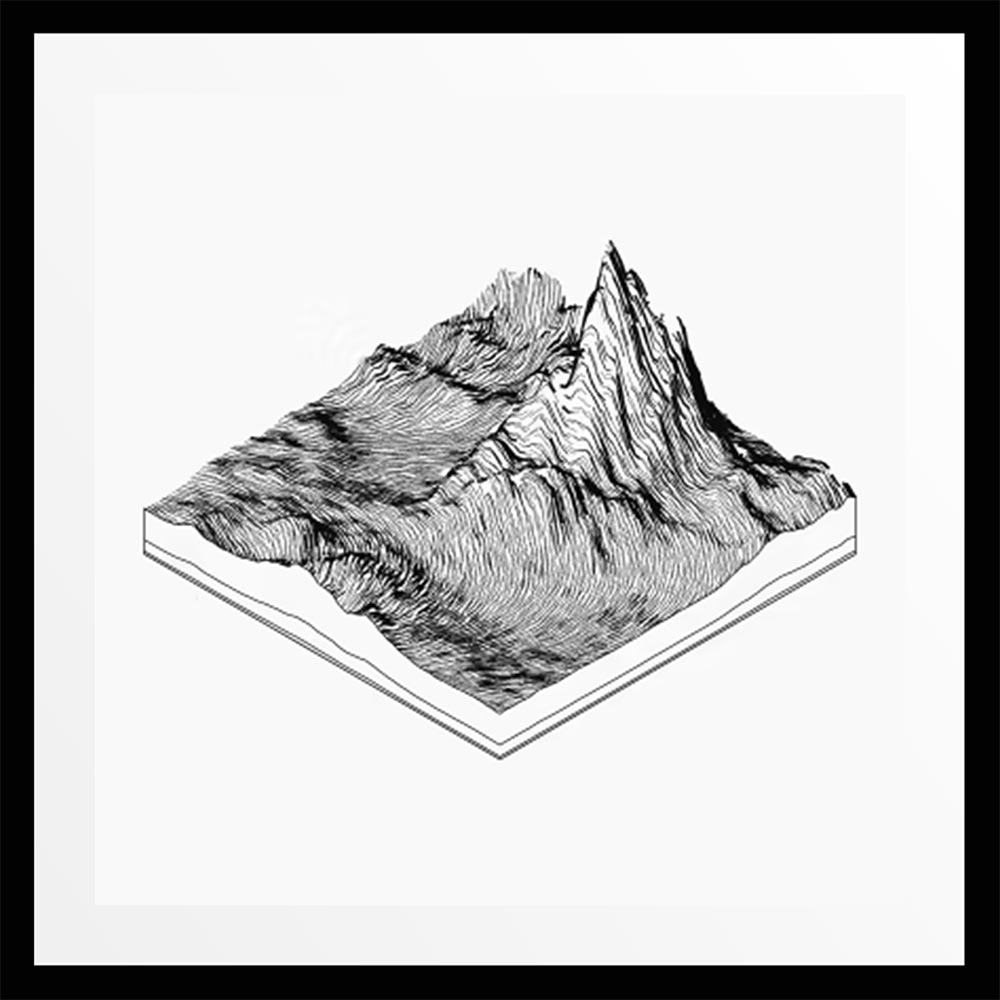
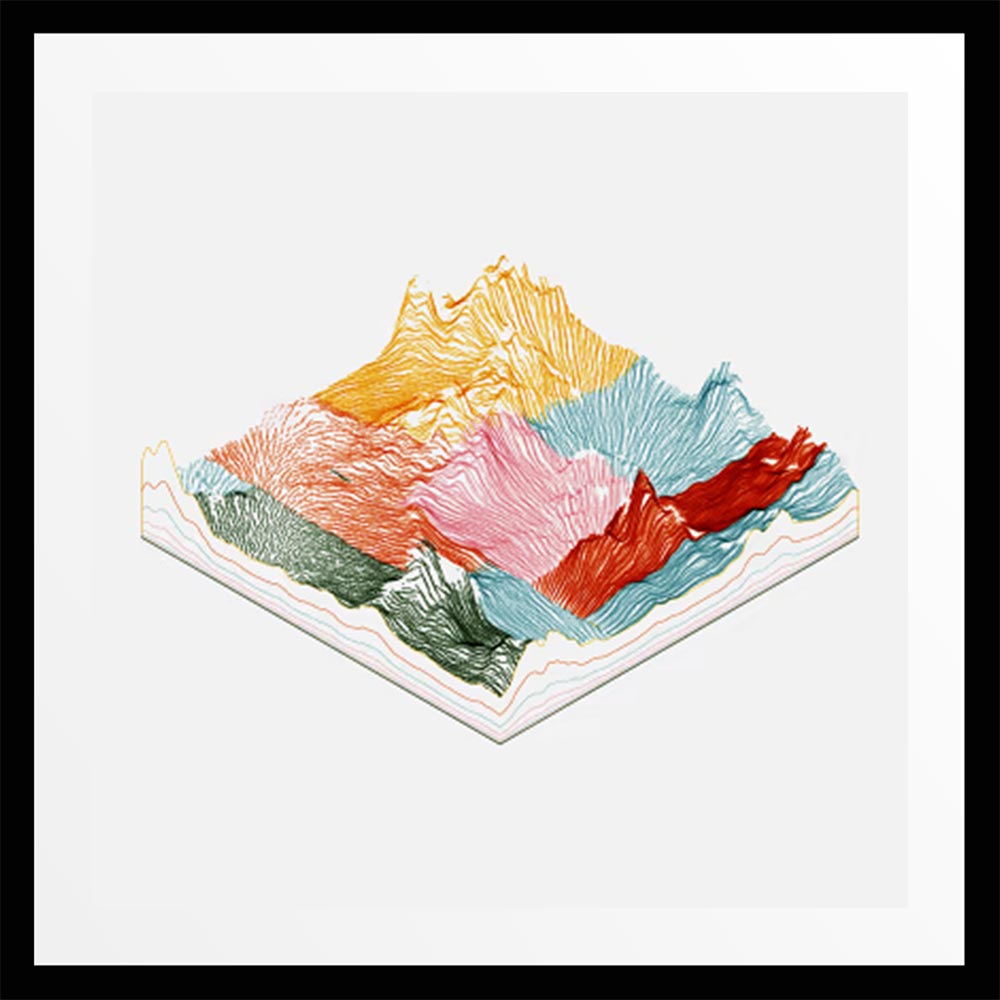
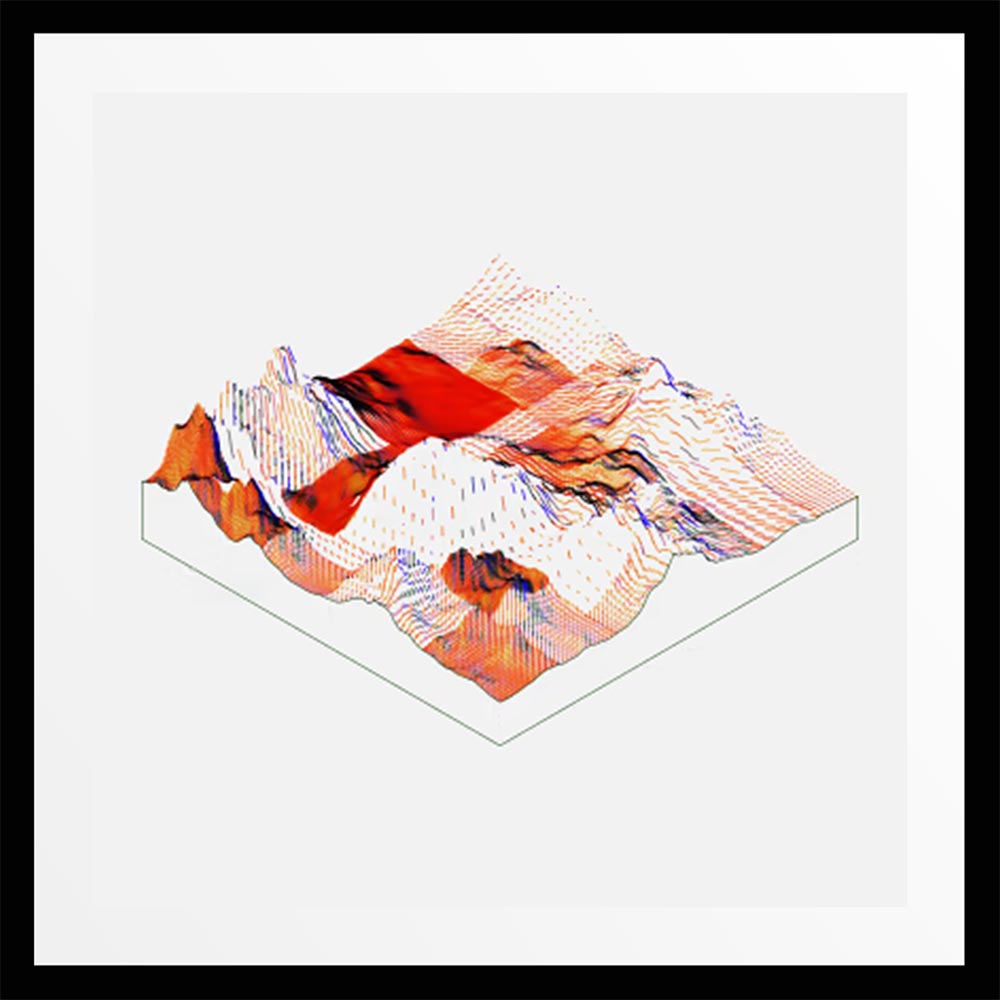
License: CC BY-NC 4.0
The programming language used: js
OpenSea: https://opensea.io/collection/subscapes-by-matt-deslauriers
Website: https://www.mattdesl.com/
Instagram: http://instagram.com/mattdesl_art
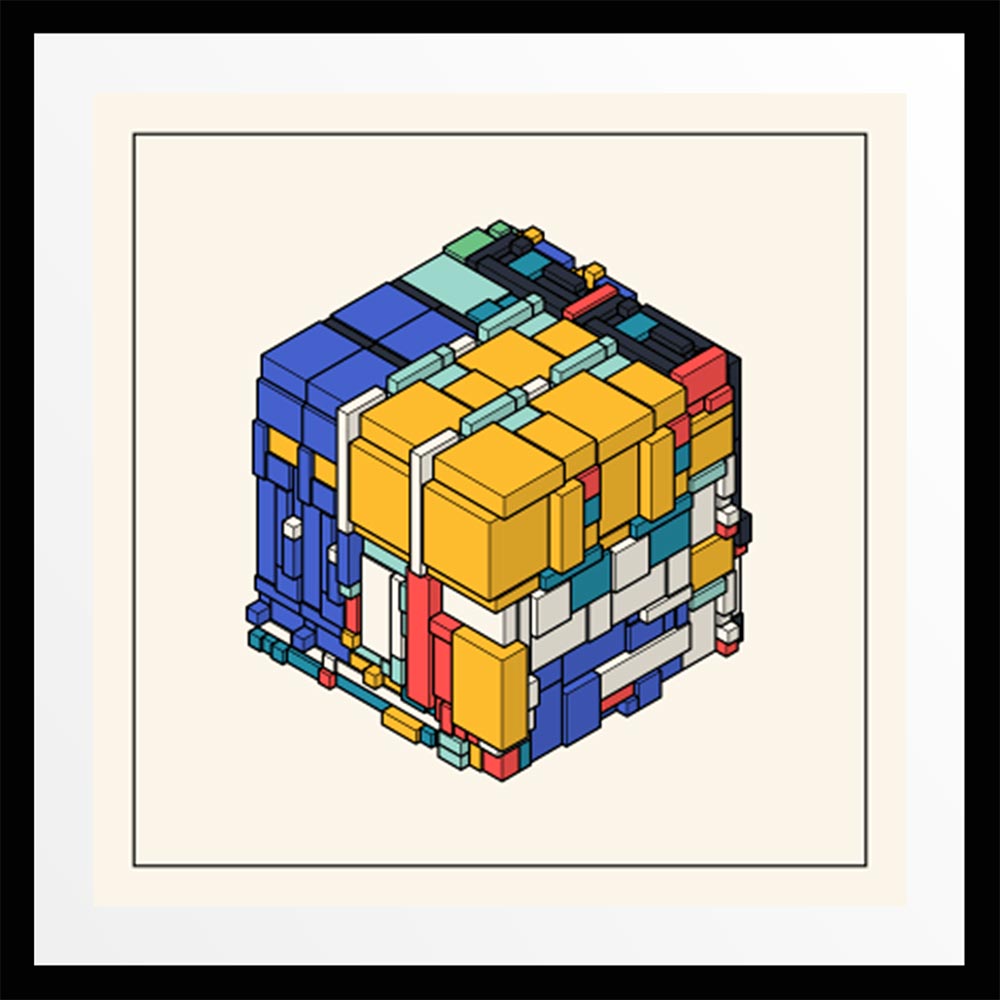
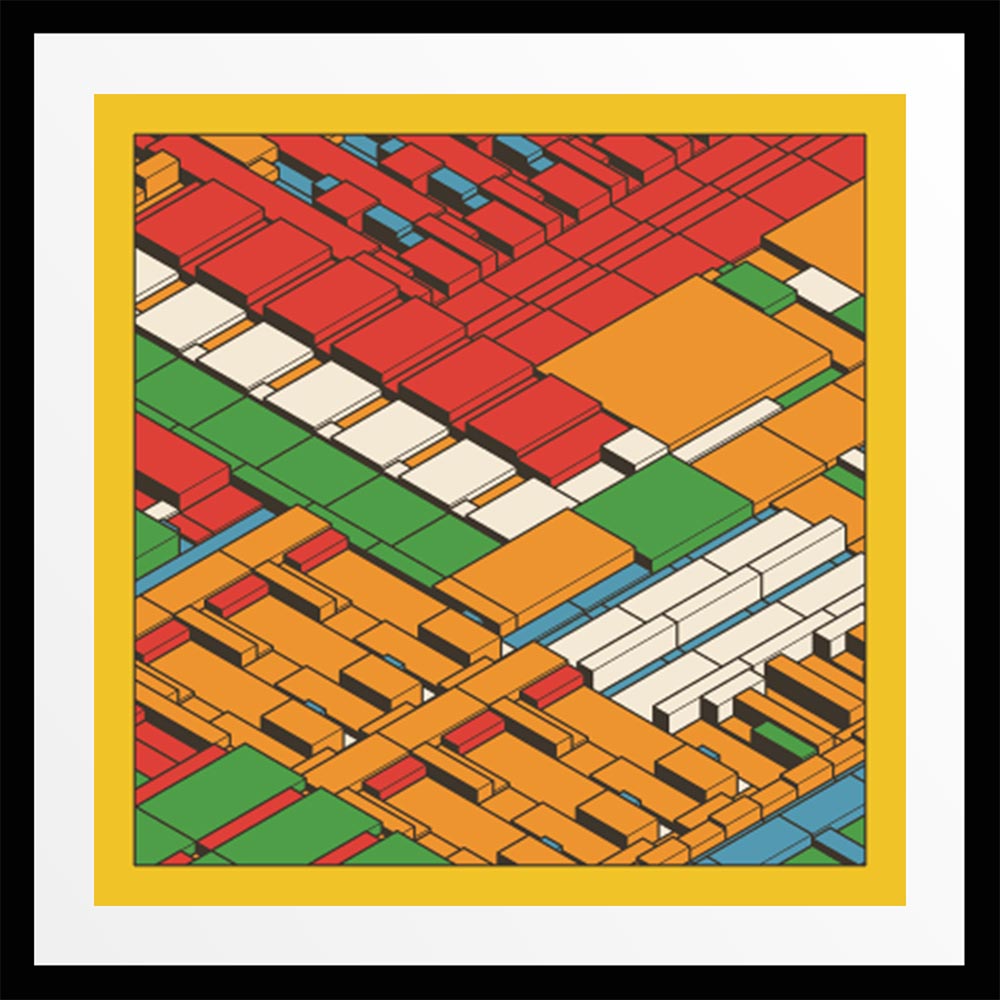
7. Archetype by Kjetil Golid
This generative artwork explores the use of repetition as a counterweight to unruly, random structures. As every single component looks chaotic alone, the repetition brings along a sense of intentionality, ultimately resulting in a complex yet satisfying expression.
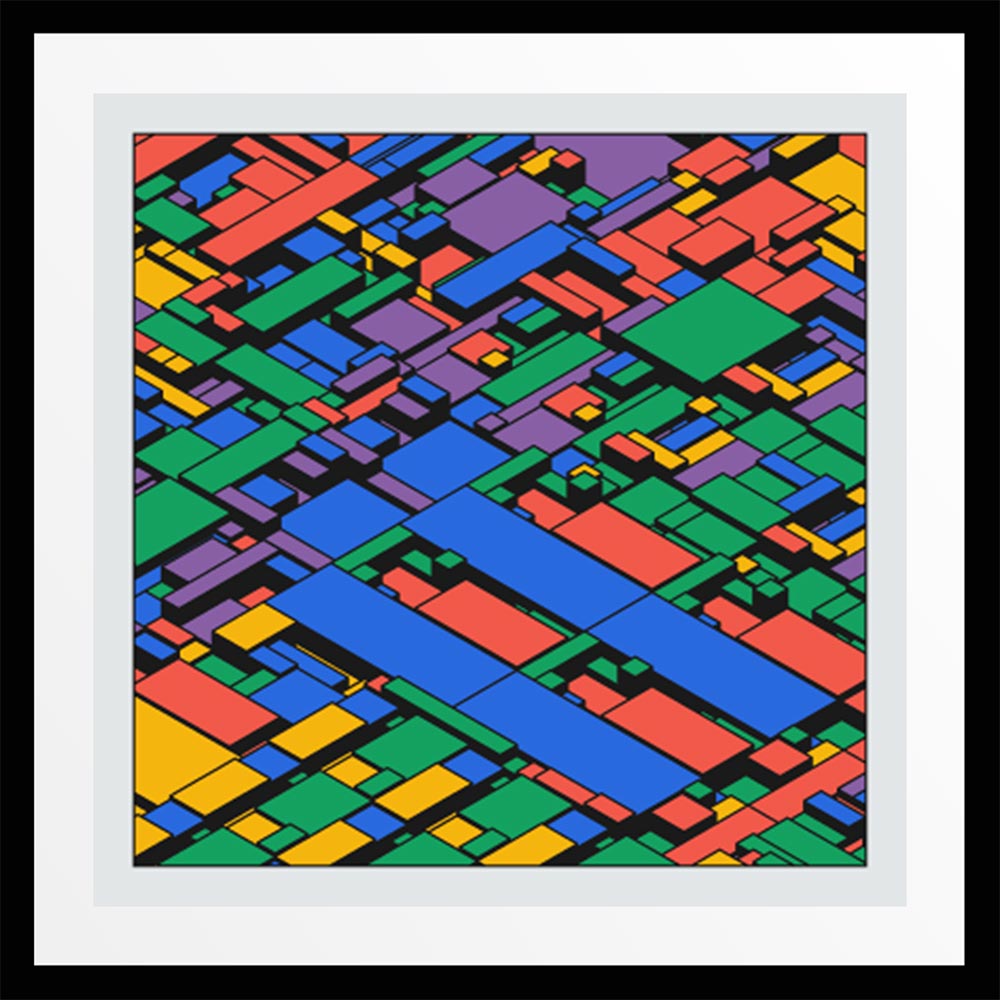
License: CC BY-NC 4.0
The programming language used: p5js
OpenSea: https://opensea.io/collection/archetype-by-kjetil-golid
Website: https://generated.space/
Instagram: https://www.instagram.com/kgolid
Twitter: https://www.twitter.com/kgolid
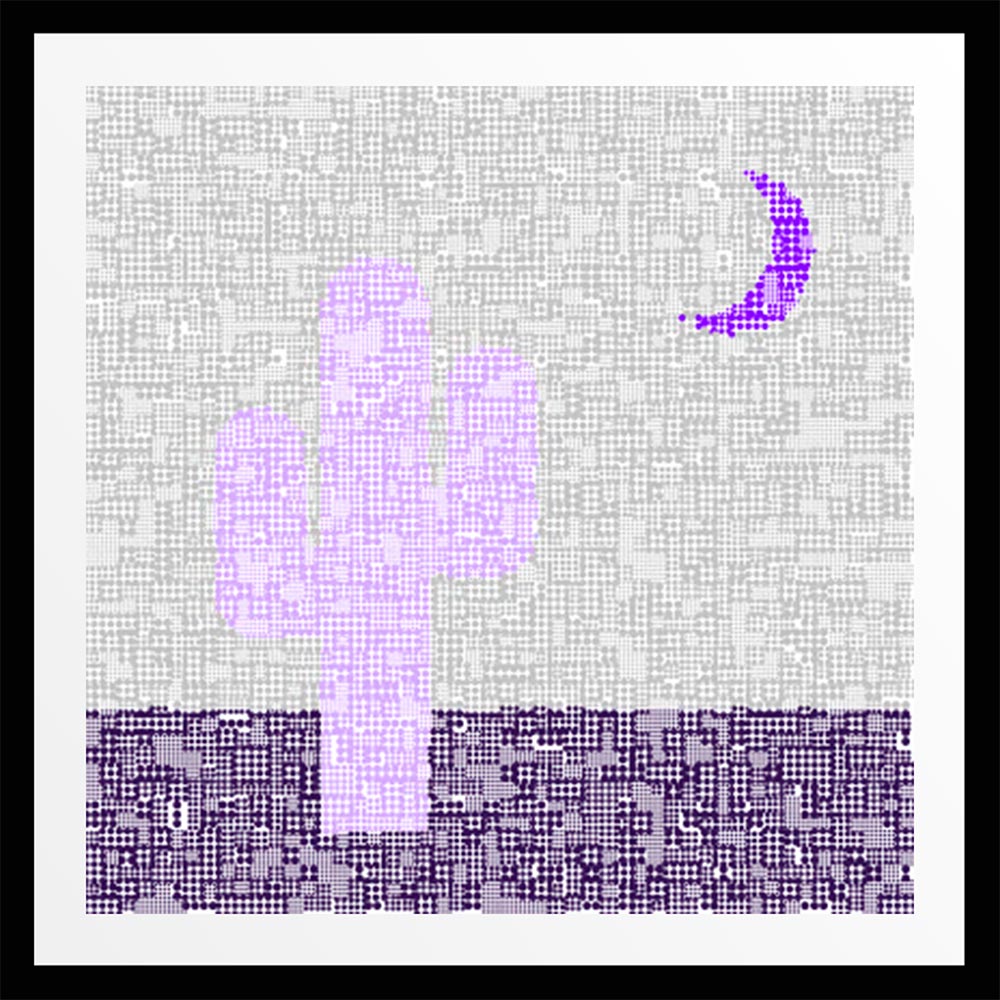
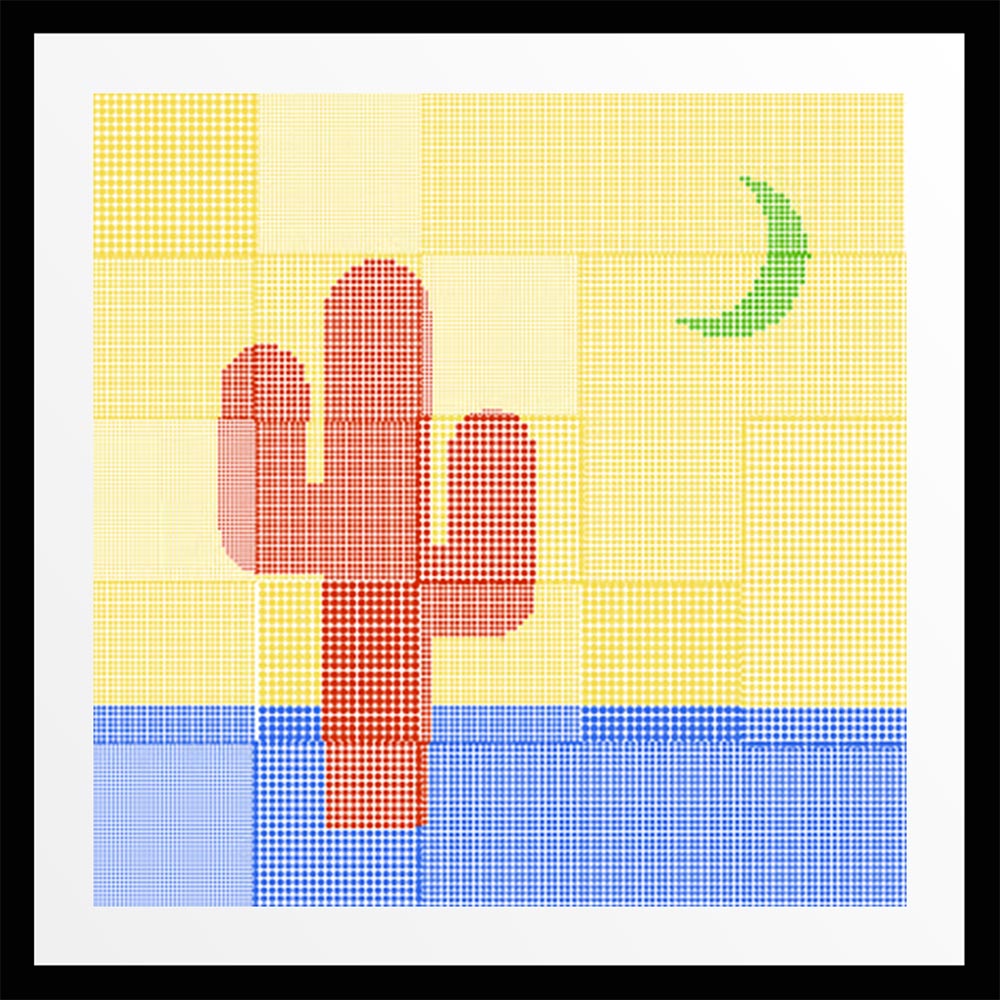
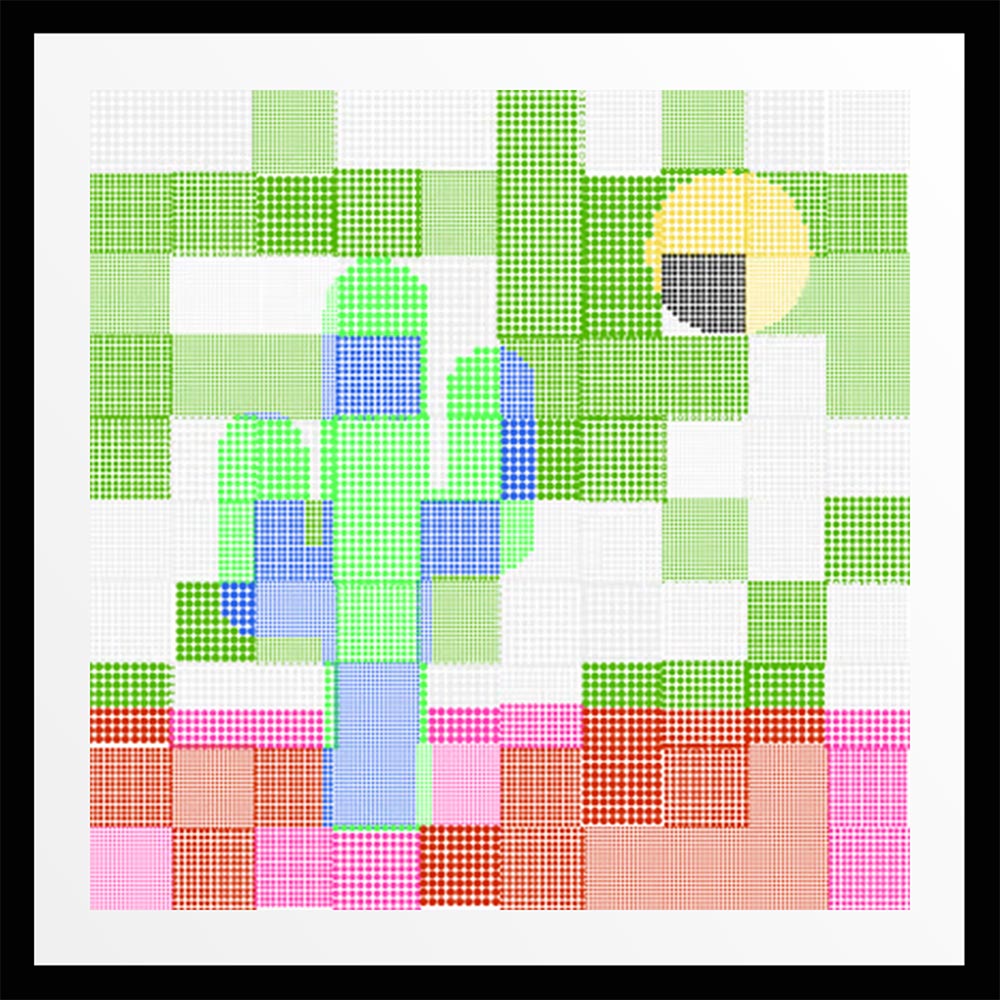
8. Patchwork Saguaros by Jake Rockland
Quilt-like desert landscapes. A series of 72 pieces. This art form has a familiar warmth to the artist, as he grew up admiring the quilt work of his grandmother. The art also depicts his love for deserts, having grown up in Tucson, Arizona.
Patchwork Saguaros depicts the saguaro, a cactus that is only found in the Sonoran Desert.
License: CC BY-NC 4.0
The programming language used: p5js
OpenSea: https://opensea.io/collection/patchwork-saguaros-by-jake-rockland
Website: https://www.artblocks.io/project/66
Twitter: https://twitter.com/purphat
9. The Blocks of Art by Shvembldr
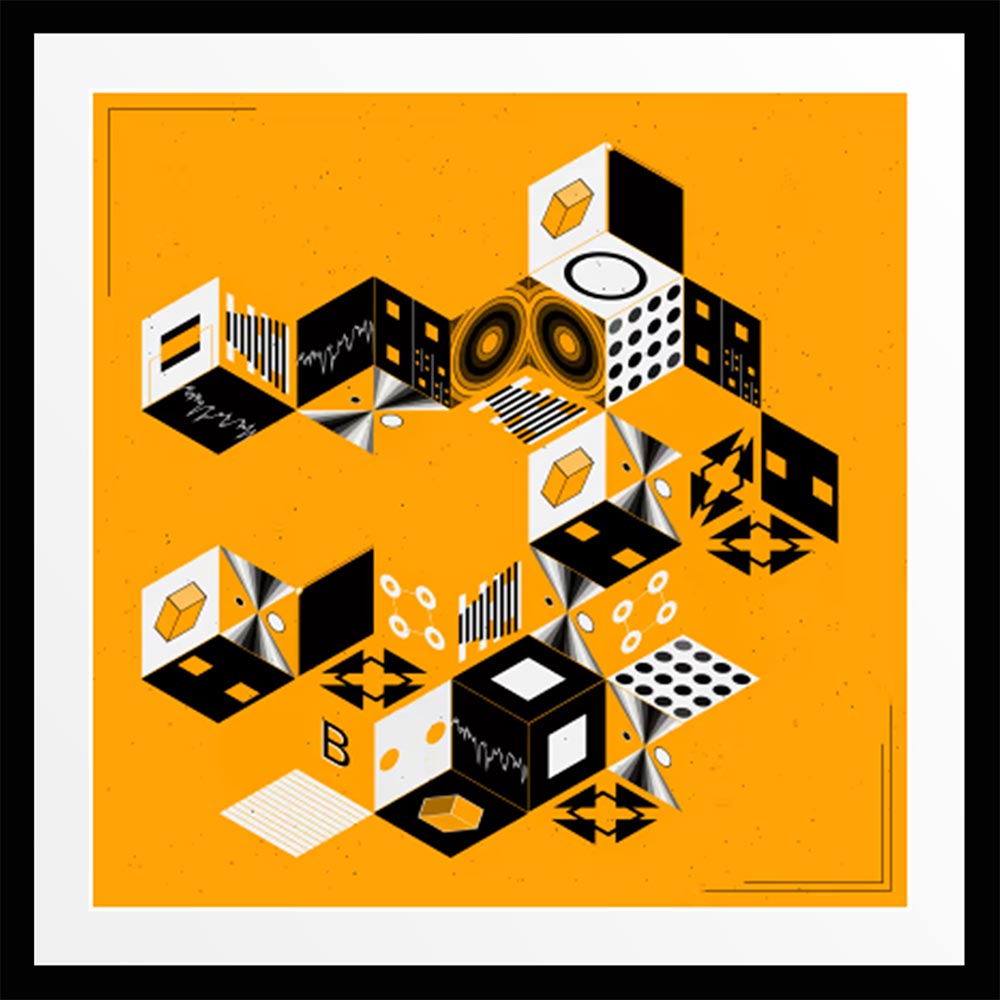
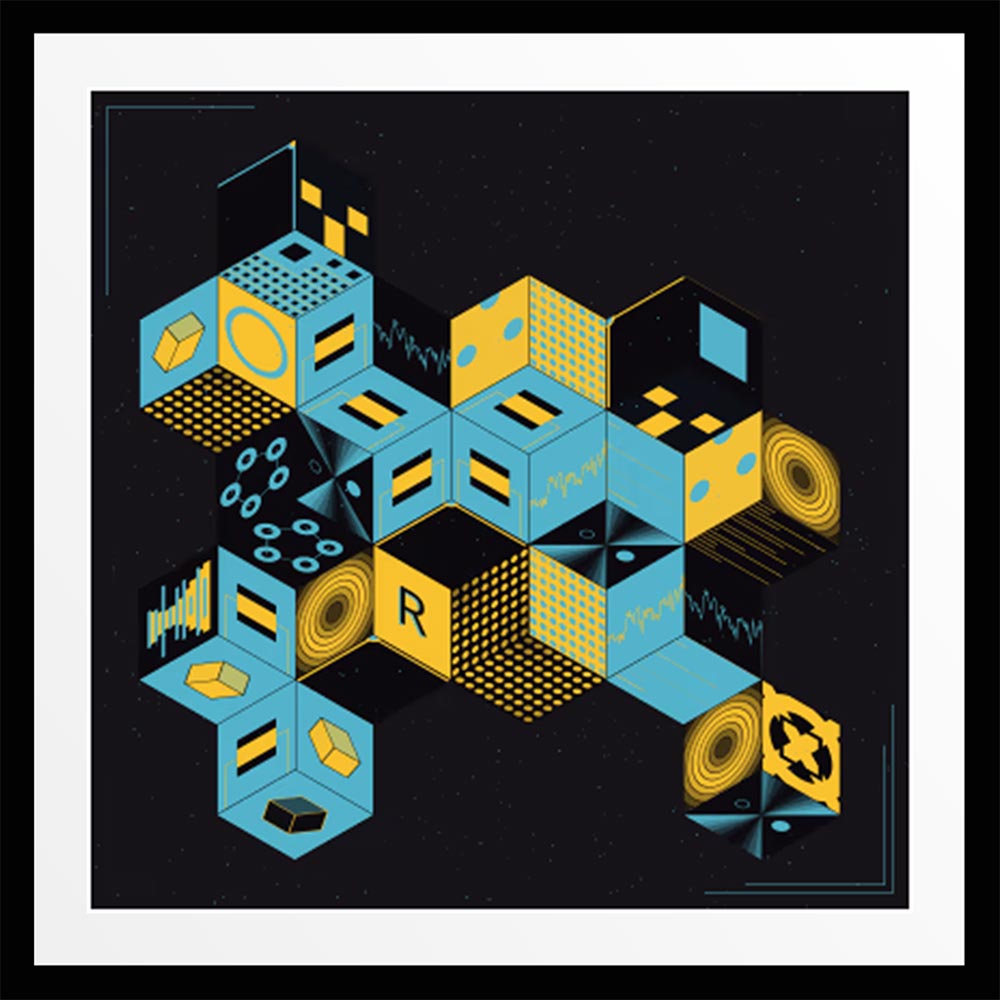
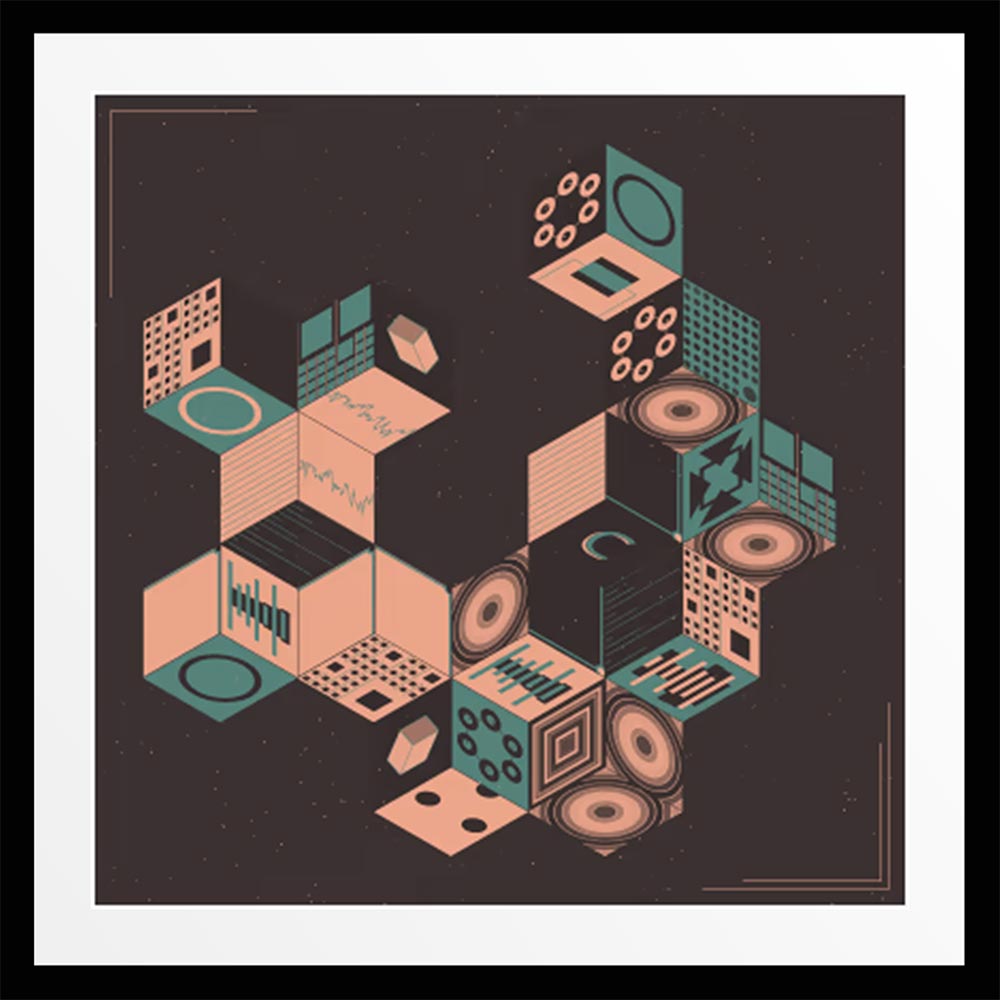
The uniqueness of this piece comes from the fact that each panel on the block is a small generative art piece with several random parameters that live their own life, at the same time being part of the composition.
The art symbolises generative artists around the globe united by one common idea- ArtBlocks. Each piece contains one letter of the words ART BLOCKS.
License: CC BY-NC 4.0
The programming language used: p5js
OpenSea: https://opensea.io/collection/the-blocks-of-art-by-shvembldr
Website: https://www.artblocks.io/project/74
Discord: https://discord.com/invite/ryB4GV3MYx
Twitter: https://twitter.com/TBOAClub
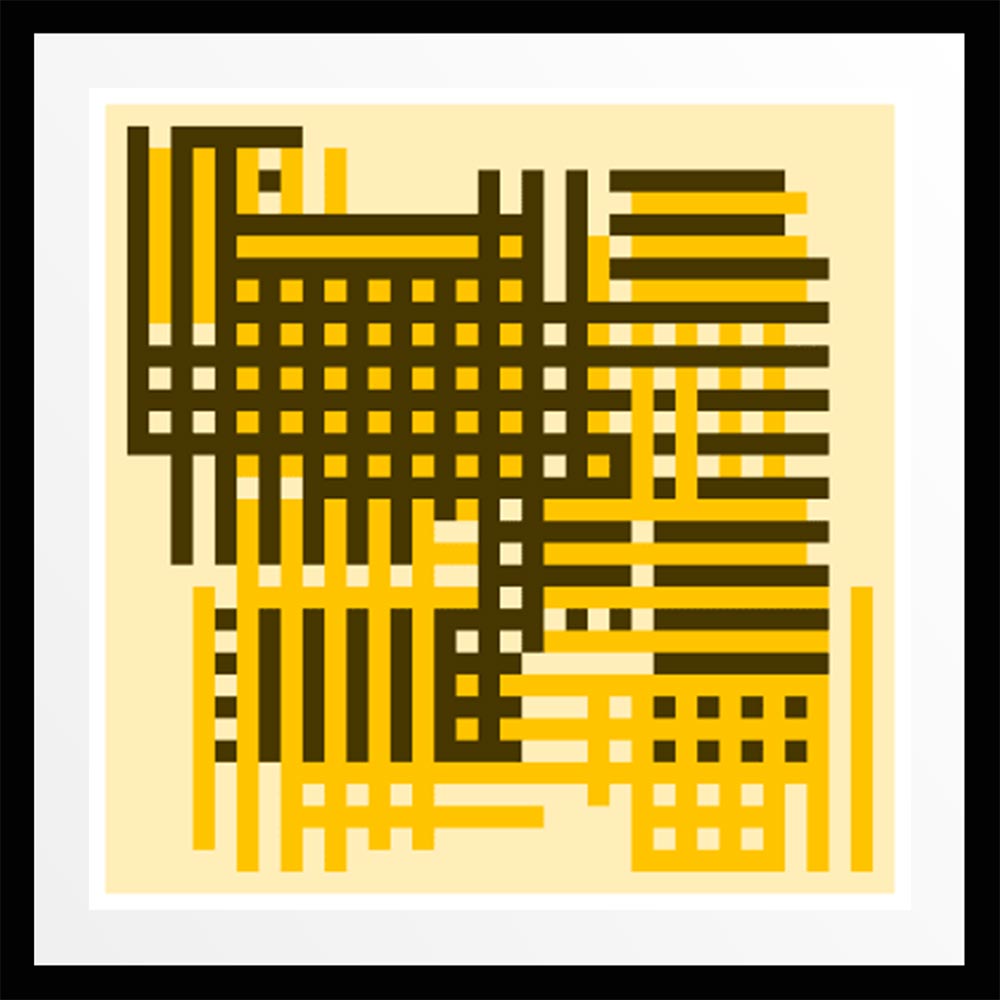
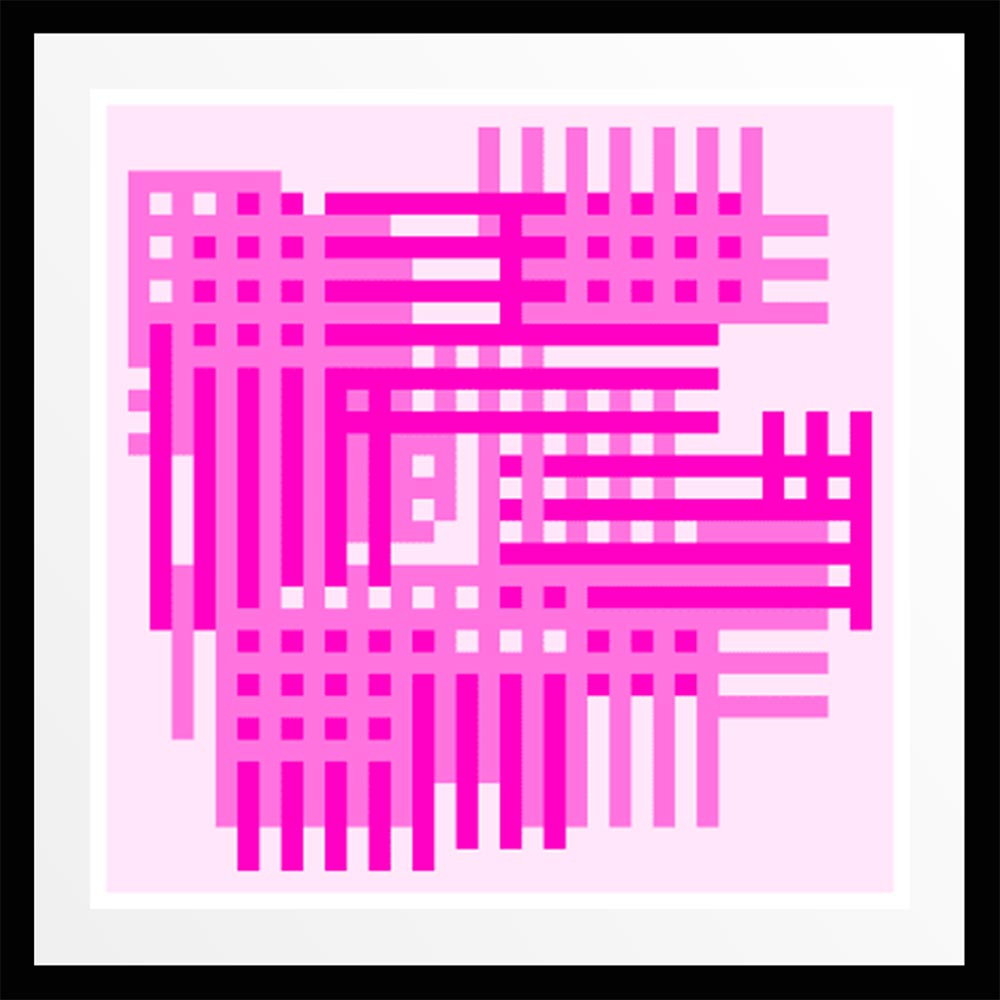
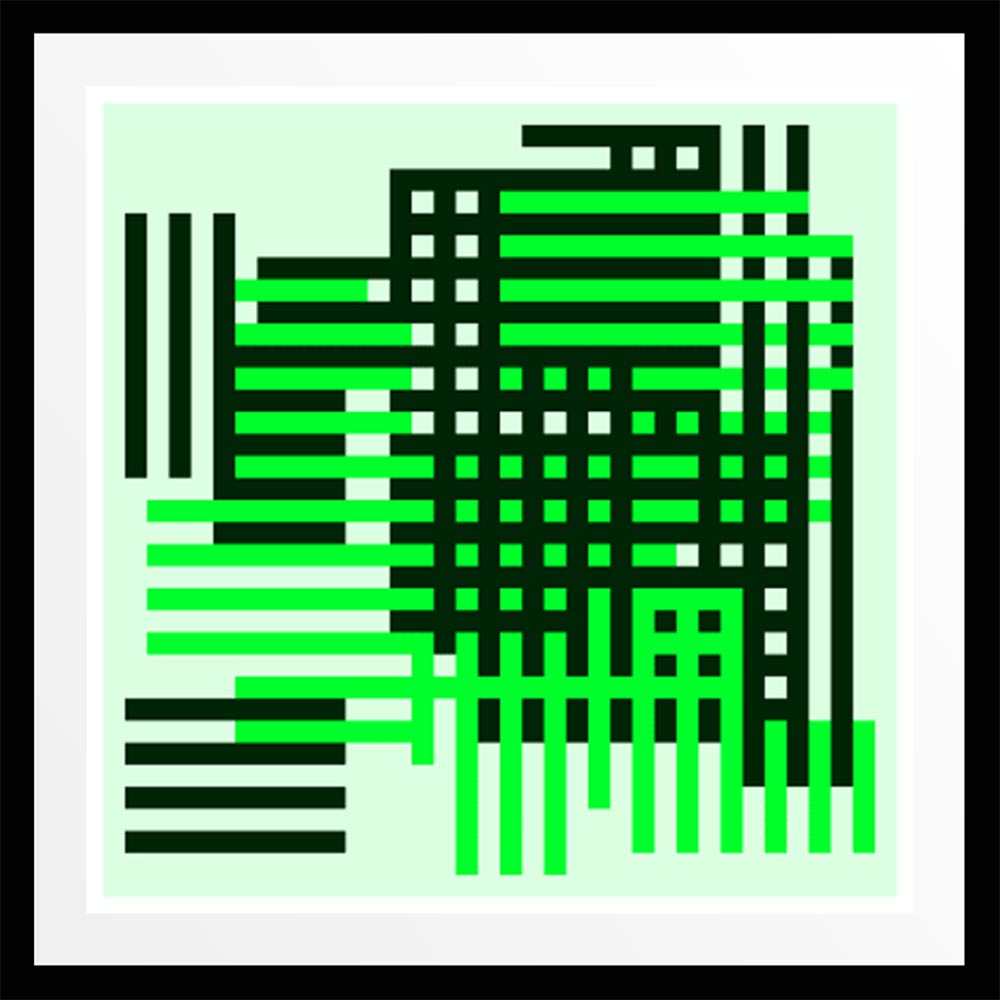
10. Construction Token by Jeff Davis
Uniquely crafted, each token contains a randomised seed that determines the composition of the artwork. This includes the number, orientation, and placement of rectangles, as well as the colour selections.
License: CC BY-NC 4.0
The programming language used: Processing
OpenSea: https://opensea.io/collection/construction-token-by-jeff-davis
Website: https://www.jeffgdavis.com/
Instagram: https://www.instagram.com/jeffdavis_art/
Twitter: https://twitter.com/jeffgdavis
While questions on the purpose of generative art and whether these are good future investments are still hot topics of debate, there are many who’re willing to take the first step rather than wait and watch. The trends in the NFT art marketplace definitely point towards a bright future!
Also read:
The generative art movement- why are these NFTs so valuable?